
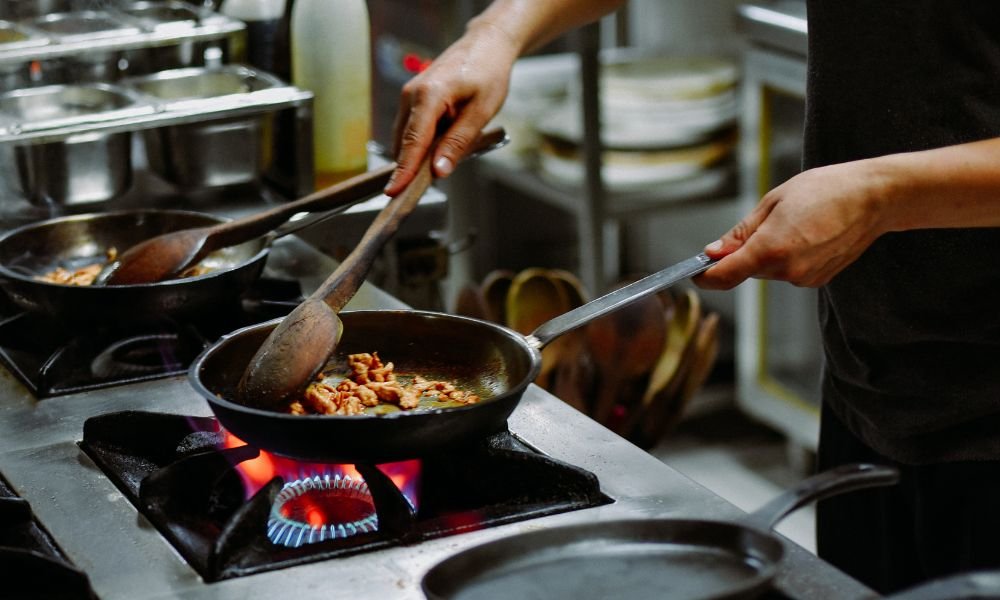
Choosing the right cookware is just as important as selecting fresh ingredients. Every day, pots and pans come into direct contact with your food, and the materials they are made from can influence both cooking performance and long-term health. While many cookware options look similar, they vary greatly in durability, safety, and maintenance.
If you’ve ever wondered what cookware is best for health, you’re not alone. With so many choices available—from stainless steel and cast iron to ceramic and glass—it can be difficult to know which one is safest. This guide explains the healthiest cookware materials, what to avoid, and how to make the best decision for your kitchen.
1. Why Healthy Cookware Matters
Cookware does more than heat food. During cooking, especially at high temperatures, some materials may release small amounts of chemicals or metals into meals. While many products meet safety standards, choosing cookware made from stable, high-quality materials can reduce unnecessary exposure.
Healthy cookware also supports better cooking results. Safe materials distribute heat evenly, resist scratching, and remain reliable after years of use. Investing in dependable cookware protects both your meals and your budget, making it a smart choice for everyday cooking.
2. Stainless Steel: A Trusted Everyday Choice
Many cooking experts consider stainless steel one of the healthiest cookware materials available. It is durable, non-reactive, and does not contain chemical coatings that wear away over time.
Quality stainless steel cookware is excellent for boiling, sautéing, simmering, and browning foods. Although small amounts of nickel or chromium may transfer into acidic dishes, the levels are generally very low for most people. Choosing high-grade stainless steel with an aluminum or copper core improves heat distribution while maintaining food safety.
3. Cast Iron: Naturally Strong and Long Lasting
Cast iron has earned a reputation for being one of the healthiest cookware options because it contains no synthetic non-stick coating. When properly seasoned, it develops a naturally smooth cooking surface that improves with regular use.
Another benefit is that cast iron may add a small amount of iron to food, which can be helpful for individuals with low iron levels. It is especially suitable for frying, roasting, baking, and slow cooking. However, acidic foods like tomatoes should not remain in cast iron for extended periods because they can affect both flavor and seasoning.
4. Ceramic Cookware: A Safe Non-Stick Alternative
Ceramic cookware has become increasingly popular among health-conscious cooks looking for an alternative to traditional non-stick pans. High-quality ceramic coatings are typically free from harmful substances such as PFOA and PTFE.
Ceramic pans require less oil during cooking, making meal preparation lighter and easier. They also clean quickly with minimal effort. To maintain their performance, avoid overheating and use wooden or silicone utensils that help protect the cooking surface from damage.
5. Glass Cookware for Pure Cooking
Glass cookware remains one of the purest cooking materials because it does not react with food. Whether you’re preparing casseroles, baking desserts, or storing leftovers, glass keeps flavors unchanged and does not absorb odors.
This material is ideal for baking and reheating rather than stovetop cooking. Since glass handles temperature changes differently than metal, users should avoid sudden shifts between hot and cold environments to prevent cracking.
6. Carbon Steel: Lightweight Yet Healthy
Carbon steel combines many of the advantages of cast iron while offering a lighter weight. After seasoning, it develops a natural non-stick surface without relying on chemical coatings.
Professional chefs often use carbon steel because it heats quickly and responds well to temperature adjustments. It performs exceptionally well for stir-frying, searing meat, and cooking vegetables. Like cast iron, regular seasoning helps maintain its protective surface and prevents rust.
7. Enamel-Coated Cookware: Easy Maintenance with Great Performance
Enamel-coated cookware features a layer of porcelain enamel applied over cast iron or steel. This coating creates a smooth, non-reactive cooking surface that does not require seasoning.
One major advantage is its versatility. You can prepare acidic foods such as tomato sauce, lemon-based dishes, and soups without worrying about reactions with the metal underneath. High-quality enamel cookware also offers excellent heat retention, making it ideal for slow-cooked meals and one-pot recipes.
When purchasing enamel cookware, choose products from reputable manufacturers to ensure long-lasting durability and a chip-resistant finish.
8. Cookware Materials to Avoid or Use with Caution
Not every cookware material offers the same level of safety. Older non-stick pans with damaged coatings can release unwanted particles into food when scratched or overheated. Aluminum cookware that is not anodized may react with acidic ingredients, affecting both flavor and appearance. Copper cookware without a protective lining can also leach metal into food if used improperly. These materials are not necessarily unsafe when manufactured well and used correctly, but they require extra care. Replacing heavily worn cookware and following the manufacturer’s instructions can help keep your kitchen healthier.
9. Understanding Non-Stick Coatings
Modern non-stick cookware has improved significantly over the years. Many reputable brands now manufacture pans without PFOA, a chemical once used during production. However, traditional PTFE-coated cookware can lose performance if exposed to extremely high temperatures or if the surface becomes scratched.
If you prefer non-stick cooking, choose products from trusted manufacturers and avoid overheating empty pans. Silicone, wooden, or nylon utensils help protect the coating, extending the cookware’s lifespan. For people seeking the most natural option, ceramic-coated cookware provides a chemical-free cooking surface that performs well for everyday meals.
10. How to Choose Healthy Cookware
Selecting healthy cookware depends on your cooking habits rather than following a single trend. Consider durability, cooking style, maintenance requirements, and the types of meals you prepare most often.
For daily cooking, stainless steel offers excellent versatility and long-term value. Cast iron works well for high-heat recipes, while ceramic is ideal for low-fat cooking. Glass remains an excellent choice for baking and food storage. Instead of buying an entire cookware set at once, many home cooks build a collection by choosing the best material for each cooking task.
11. Best Cookware for Different Cooking Styles
Different recipes benefit from different cookware materials. Stainless steel excels at boiling pasta, making sauces, and browning meat. Cast iron performs beautifully for steaks, cornbread, and oven roasting. Ceramic cookware is well suited for eggs, pancakes, and delicate foods that require minimal oil.
Glass bakeware shines when preparing casseroles, baked pasta, or desserts. Carbon steel is popular for stir-fries and high-temperature searing because it heats quickly and evenly. Using the right cookware for each recipe improves cooking results while helping preserve the quality of the cookware itself.
12. Tips to Keep Healthy Cookware Safe
Keeping healthy cookware safe starts with proper care and regular maintenance. First, avoid overheating pans, as excessive heat can damage certain surfaces and reduce their performance. Also, use wooden or silicone utensils to prevent scratches and protect the cooking surface. In addition, wash cookware with gentle cleaners instead of harsh abrasives. For more guidance on choosing safe materials and maintaining them properly, explore What Cookware Is Non-Toxic. Finally, replace cookware when you notice deep scratches, peeling coatings, or other visible damage
13. Common Mistakes to Avoid
Many people unintentionally shorten the life of their cookware by using excessive heat or metal utensils. Heating an empty pan for long periods can damage coatings and create uneven cooking surfaces. Another common mistake is placing hot cookware directly into cold water, which may warp certain materials or crack glass.
Ignoring signs of wear is also risky. Deep scratches, peeling coatings, or chipped enamel indicate that replacement may be the safer option. Taking simple precautions keeps cookware performing well for many years.
What cookware is best for health?
High-quality stainless steel, cast iron, ceramic, glass, and carbon steel are widely considered among the healthiest cookware materials because they are durable and generally non-reactive when used correctly.
Is stainless steel healthier than non-stick cookware?
Stainless steel is often preferred for long-term durability and the absence of a coating. Modern non-stick cookware can also be safe when used according to the manufacturer’s instructions and replaced once damaged.
Is ceramic cookware completely safe?
Quality ceramic cookware is generally considered a safe option for everyday cooking. Buying from reputable brands and avoiding excessive heat helps maintain its performance.
Can cast iron improve nutrition?
Cast iron may add small amounts of iron to certain foods during cooking, particularly when preparing acidic dishes. While this may benefit some people, it should not replace medical advice or dietary planning.
Which cookware lasts the longest?
Stainless steel and cast iron are among the most durable cookware materials. With proper care, they can remain in excellent condition for decades.
Conclusion
If you’re asking what cookware is best for health, there isn’t just one perfect answer. The healthiest kitchen often includes several cookware materials, each chosen for its strengths. Stainless steel offers dependable everyday performance, cast iron provides exceptional durability, ceramic delivers convenient non-stick cooking, glass keeps food pure, and carbon steel excels at high-heat cooking.
Rather than focusing only on price or appearance, consider safety, durability, and proper maintenance. Replacing damaged cookware, cooking at appropriate temperatures, and using quality materials will help you prepare healthier meals with confidence. By choosing cookware wisely and caring for it properly, you can create a kitchen that supports both great cooking and long-term well-being.